
We've seen this cycle before
One of the biggest challenges we face at Zubr is helping clients cut through the noise around immersive technologies. When high-profile failures dominate headlines – yes, we’re looking at you, Metaverse – it’s easy to lose confidence in what immersive tech can actually deliver.
With the rise of AI sparking debate across social media, international news outlets and within creative teams, we realised: this feels a little too familiar. The surge of interest in the Metaverse during the Covid-19 pandemic made sense at the time; people were isolated, digital interaction became essential, and the promise of shared virtual worlds felt like a natural next step. But today’s landscape looks very different. The Metaverse hype has cooled, and attention has rapidly shifted toward AI.
The question remains: how do you separate genuinely purposeful immersive technology from passing tech trends?
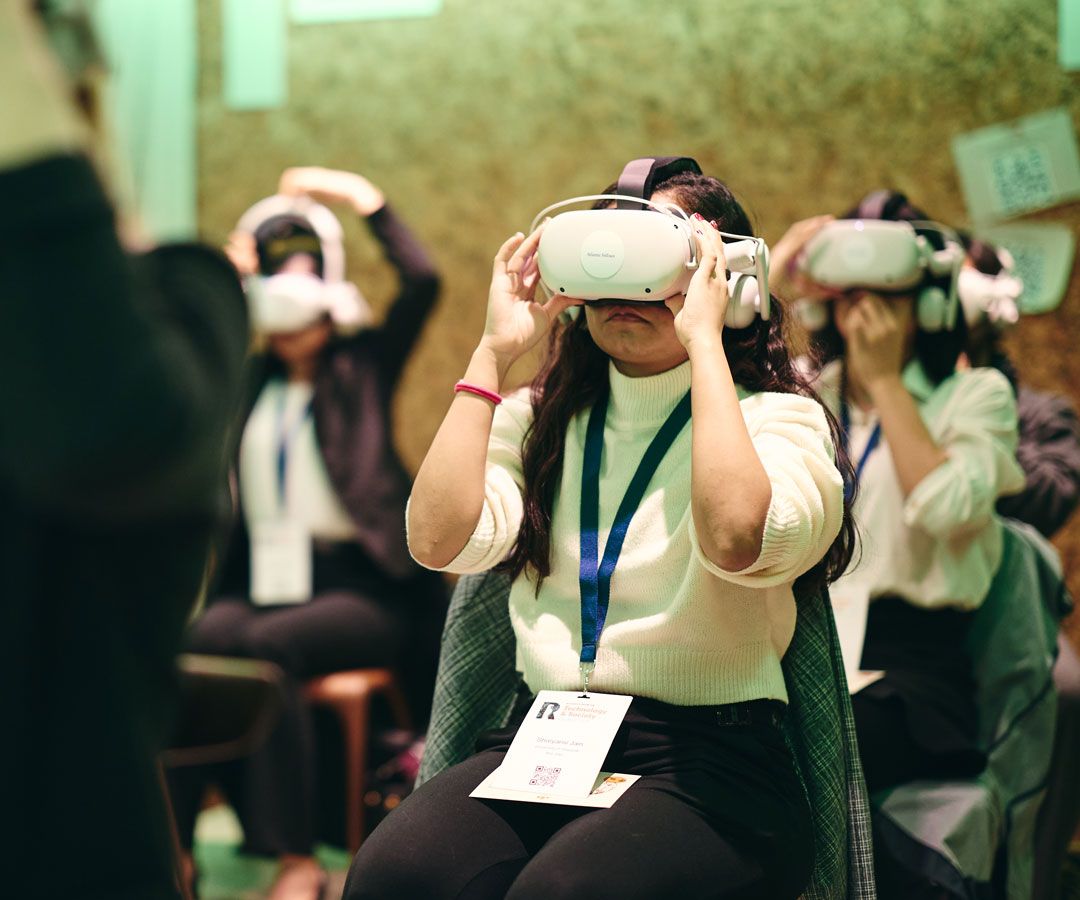
Cutting through tech hype
At Zubr, we’ve always taken a different approach.
We’ve focused on developing robust, real-world immersive products that consistently deliver value. Our work isn’t about “shiny” technology for its own sake, but rather creating meaningful, shared experiences that people actually engage with.
Whilst Zuckerberg’s Metaverse promised connection, it struggled to deliver compelling, repeatable user experiences. Meta Horizon Worlds, Meta’s multiplayer social VR platform, fell short of its usage targets and suffered weak retention. In 2022, it aimed for 500,000 monthly active users but reached only around 200,000, with many users choosing not to return after their first month.
Now, with AI, we’re seeing a similar trend: impressive capabilities, but often applied in ways that feel generic, repetitive, or disconnected from real audiences. Without thoughtful application, these powerful tools often miss the mark, generating uncanny content that lacks personality and depth.
We’re experienced in creating captivating immersive projects, as well as developing our own platforms to ensure reliability for our clients. Through many months of R&D, we developed our WebAR platform to provide accessible, browser-based immersive experiences without the friction of app downloads or specialist hardware. With an emphasis on adaptability and reliability, we have implemented our bespoke WebAR platform through a range of projects, including our digital guide for Grand Junction, and our WebAR trails for Vauxhall Pleasure Gardens and London Heritage Quarter.
The Metaverse, the once-buzzy technology that promised to allow users to hang out awkwardly in a disorientating video-game-like world, has died after being abandoned by the business world. It was three years old.
Ed Zitron, Tech Analyst, Author & EZPR CEO
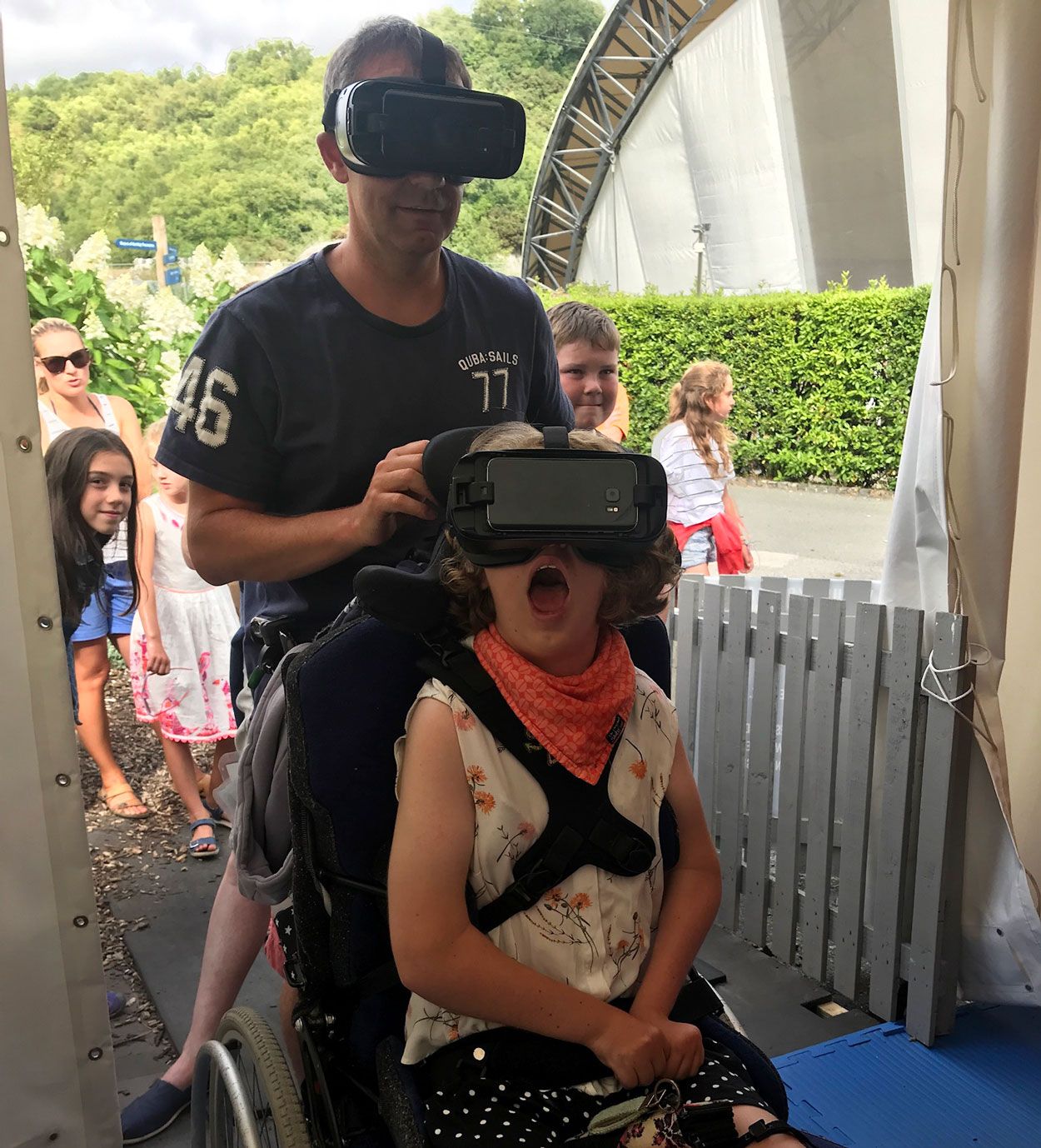
Designed for the real world
Our focus has always been grounded in physical spaces and human interaction: in bringing people together on location for an immersive experience they won’t forget.
Rather than centering everything around immersive tech itself, we design for the full user journey. As users are encouraged to engage with the spaces around them, our immersive technology supports the experience, rather than defining it. Whether it’s a heritage site, a visitor attraction, a training environment or a tradeshow piece, the goal is the same – to create something memorable, social, and intuitive.
Although our products are used in more niche ways, we always deliver reliable software through familiar, intuitive hardware.
Take our AR binoculars. They offer a light-touch, accessible way for people to engage with immersive technology during days out or in-person events. By removing the need for expensive personal devices, headsets or endless app downloads, our binoculars enhance real-world viewpoints with layered digital storytelling. They’ve been deployed across multiple international locations (including Germany’s Europa Park, South Carolina’s Liberty Trail, and closer to home at Bristol’s SSGB), and continue to deliver consistent engagement due to their simple, intuitive design and accessible, durable hardware. Truly designed with users in mind.
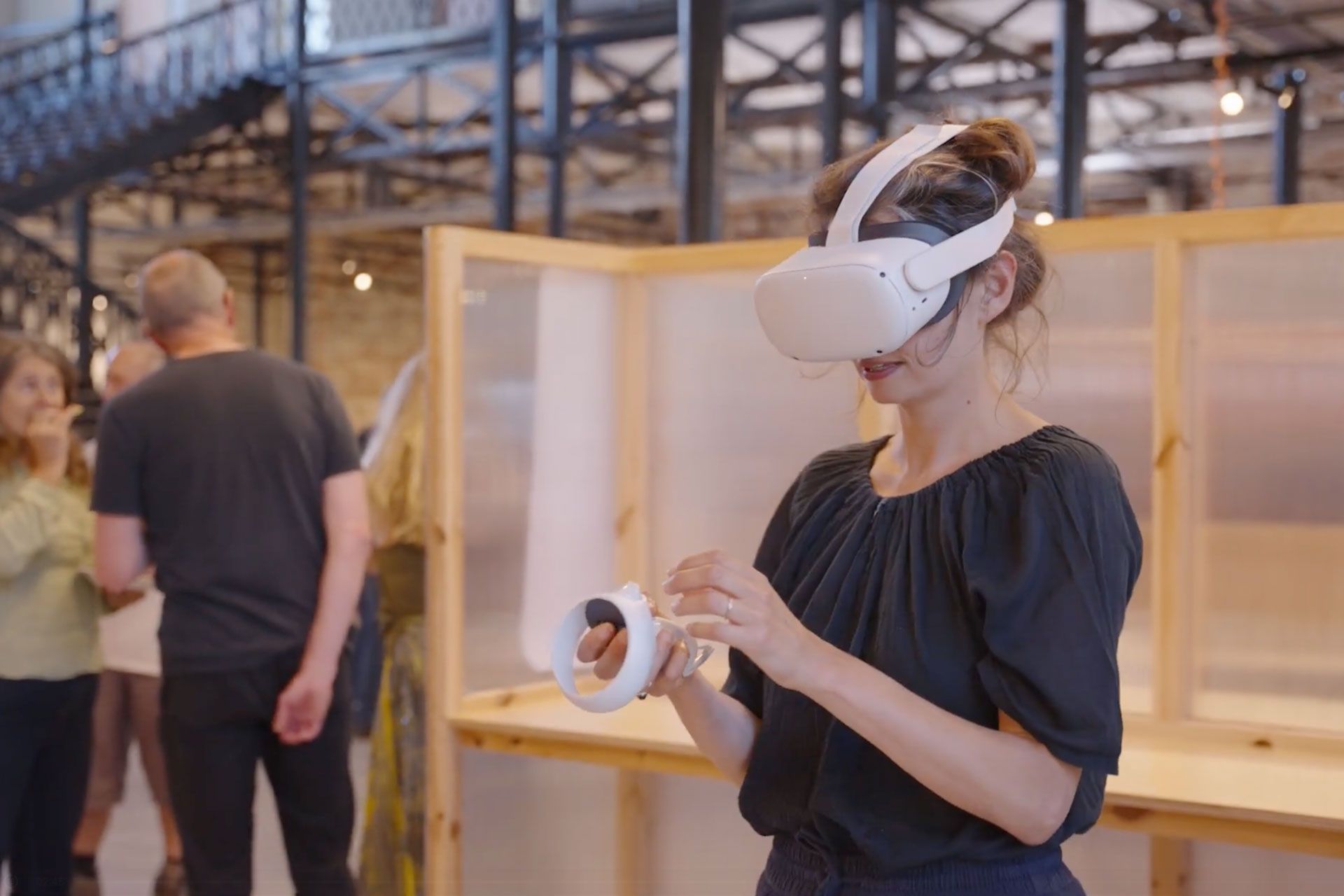
Proven, not promised
Our work may not always sit at the centre of the latest industry hype, but this is by design.
Whilst ambitious platforms like the Metaverse promise to reinvent how we connect, and AI continues to reshape how we create, our focus remains on what’s already proven to work. By creating tactile, engaging experiences grounded in real-world interaction, we help our clients connect with their audiences in innovative ways that are measurable, reliable, and lasting. We prioritise dependable deployment, considered design, and outcomes that stand the test of time, beyond the initial moment of excitement.
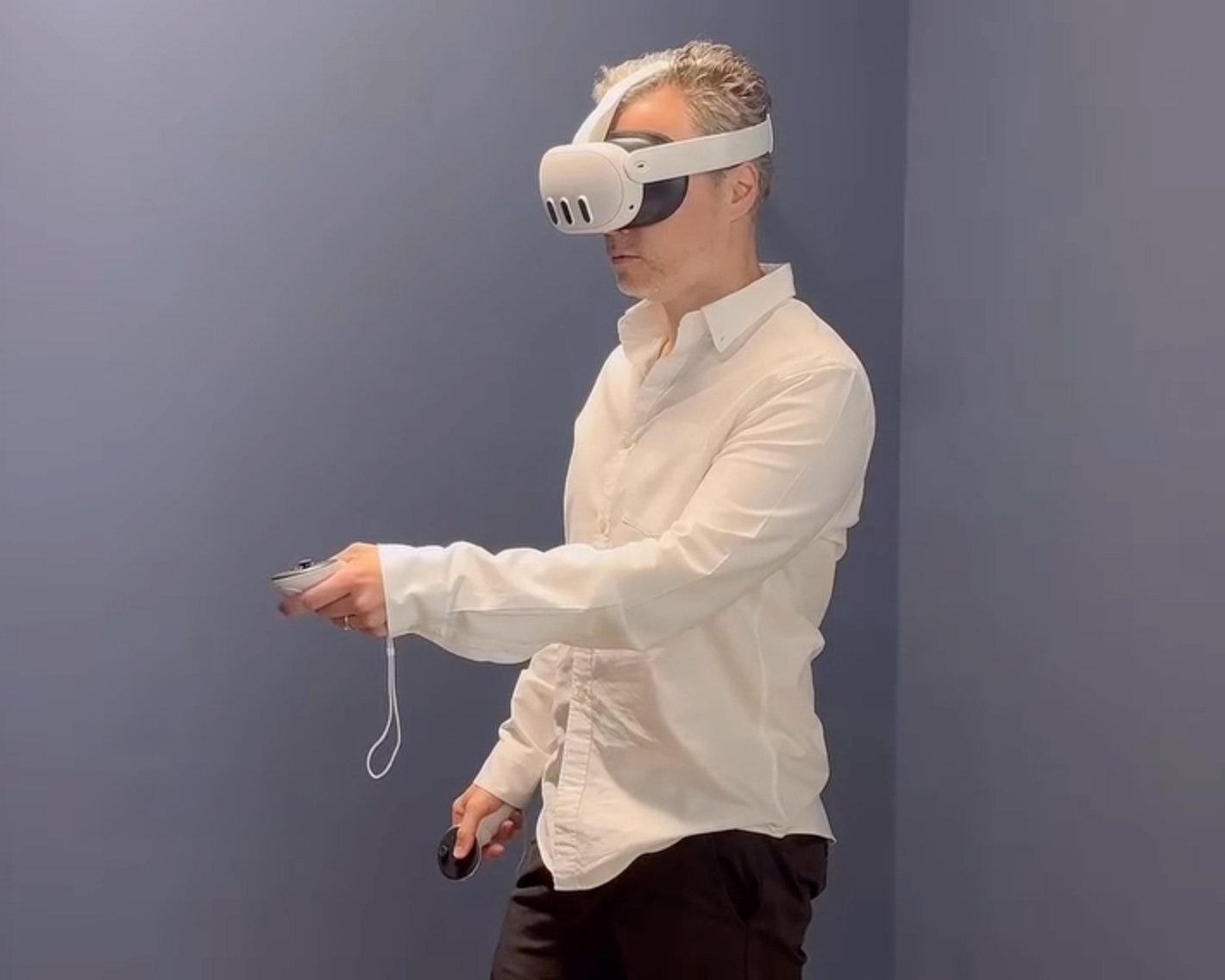
Immersive tech in the age of AI
As AI continues to evolve, we’re not ignoring it – we’re integrating it where it adds real value. We’re equally comfortable choosing not to use it when it detracts from or confuses an experience.
Good immersive design requires understanding the context, the purpose, and the people behind each project. The conversation around the Metaverse may have shifted, saturated with ‘hot takes’ and damning platitudes, but immersive technology itself hasn’t gone anywhere. When applied with care and expertise, it remains one of the most powerful ways to tell stories, connect audiences, and enhance real-world experiences.
In order to truly separate purposeful immersive experiences from passing tech trends, we must focus less on the novelty of the technology itself and more on the value it can create for the people using it. The tools will continue to evolve, from VR and AR to AI and whatever comes next, but the principles behind meaningful immersive experiences remain the same: clarity of purpose, thoughtful design, and genuine human connection.
In Summary
Immersive technology shouldn’t be judged by failed trends, such as Zuckerberg’s Metaverse. Instead of chasing hype or buzz, our studio focuses on practical, reliable immersive experiences that create real value for users. Zubr’s WebAR platform and AR binoculars are just two examples of accessible, user-focused solutions designed for real-world engagement rather than novelty alone.
By drawing parallels between the Metaverse hype cycle and today’s AI boom, we can learn an important lesson: the implementation of new technology alone doesn’t guarantee meaningful experiences. At Zubr, we believe the most valuable tech trends are defined by the impact they have on the user experience. That’s why our immersive projects only integrate tools such as AI when they genuinely enhance the user journey and support the overall experience.