
3D modelling for immersive and interactive experiences
From digital twins and architectural modelling to virtual environments and avatars, Zubr creates 3D models designed for real-world applications. We combine creative 3D expertise with technical knowledge of AR, VR and realtime 3D to build detailed, optimised assets that work across immersive and digital platforms.
Whether you need to recreate an existing space, develop a virtual environment from scratch or bring a character to life, we create 3D models with their final application in mind.
3D Applications

Digital twins and digital replicas
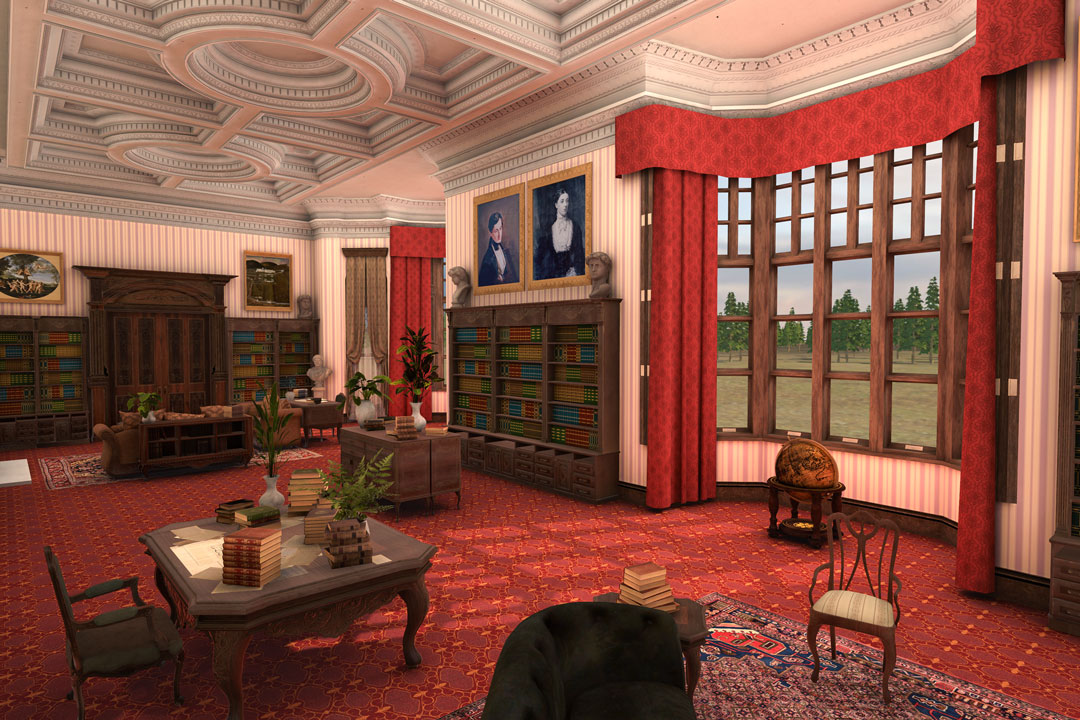
Architectural and interior 3D modelling
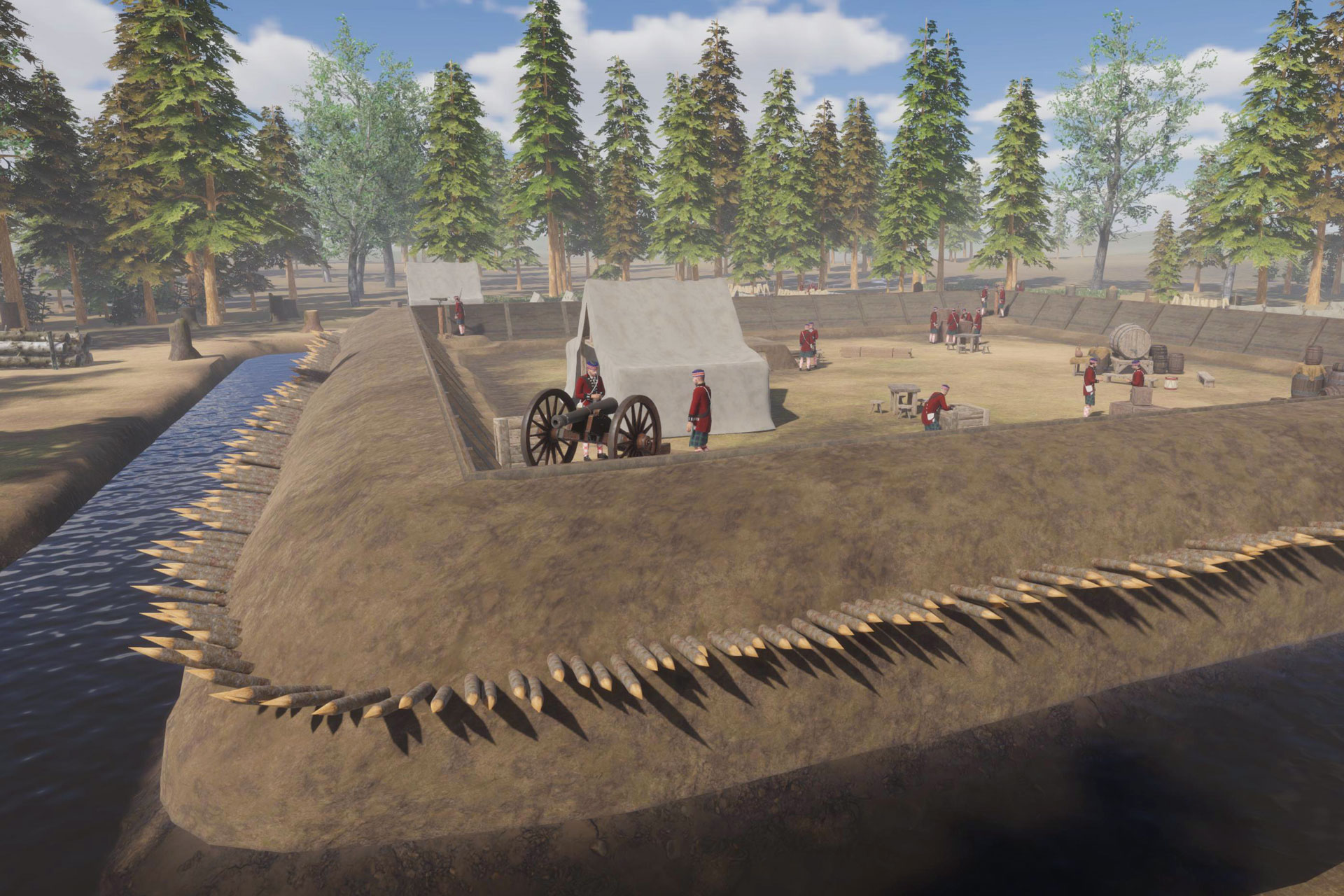
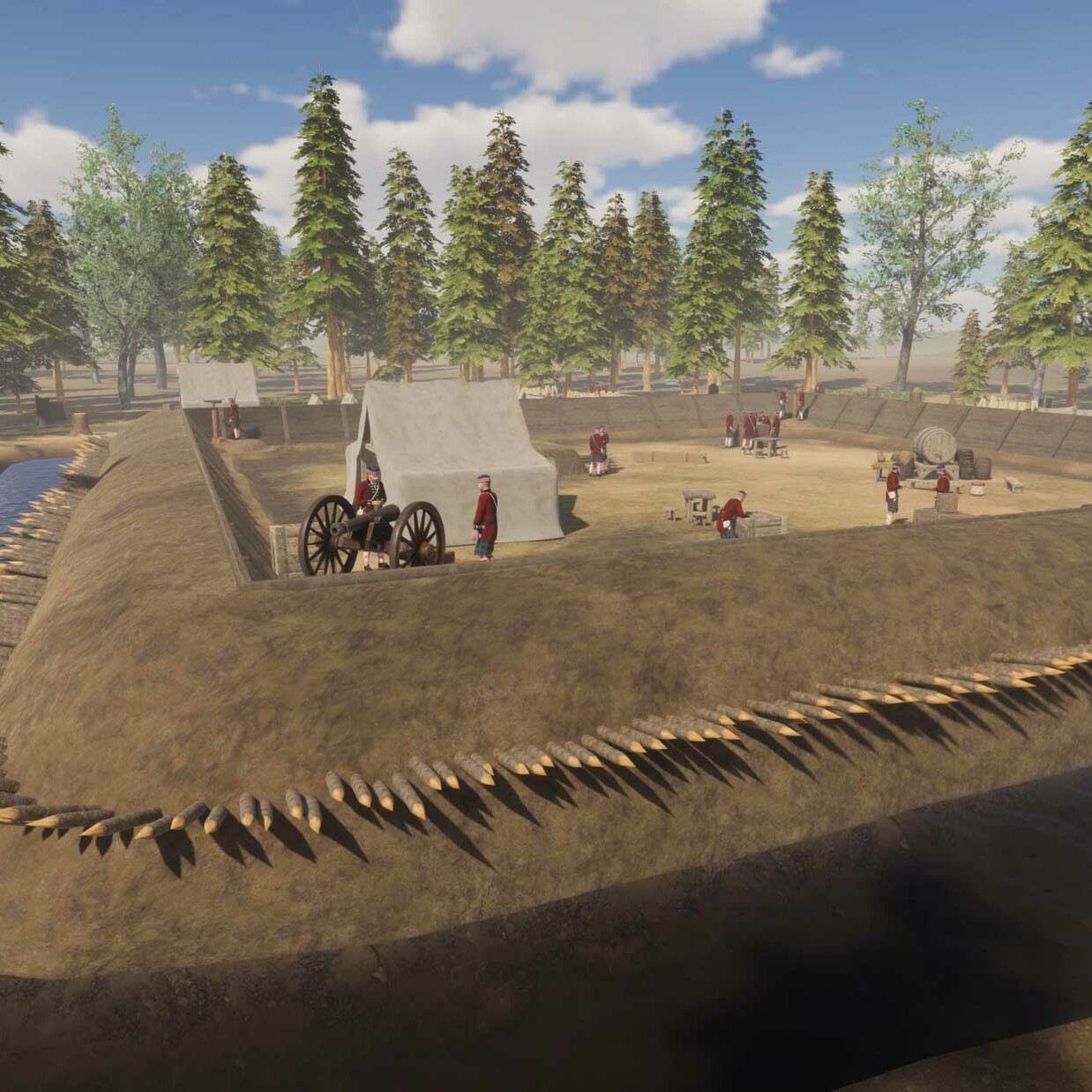
World building and historical reconstructions
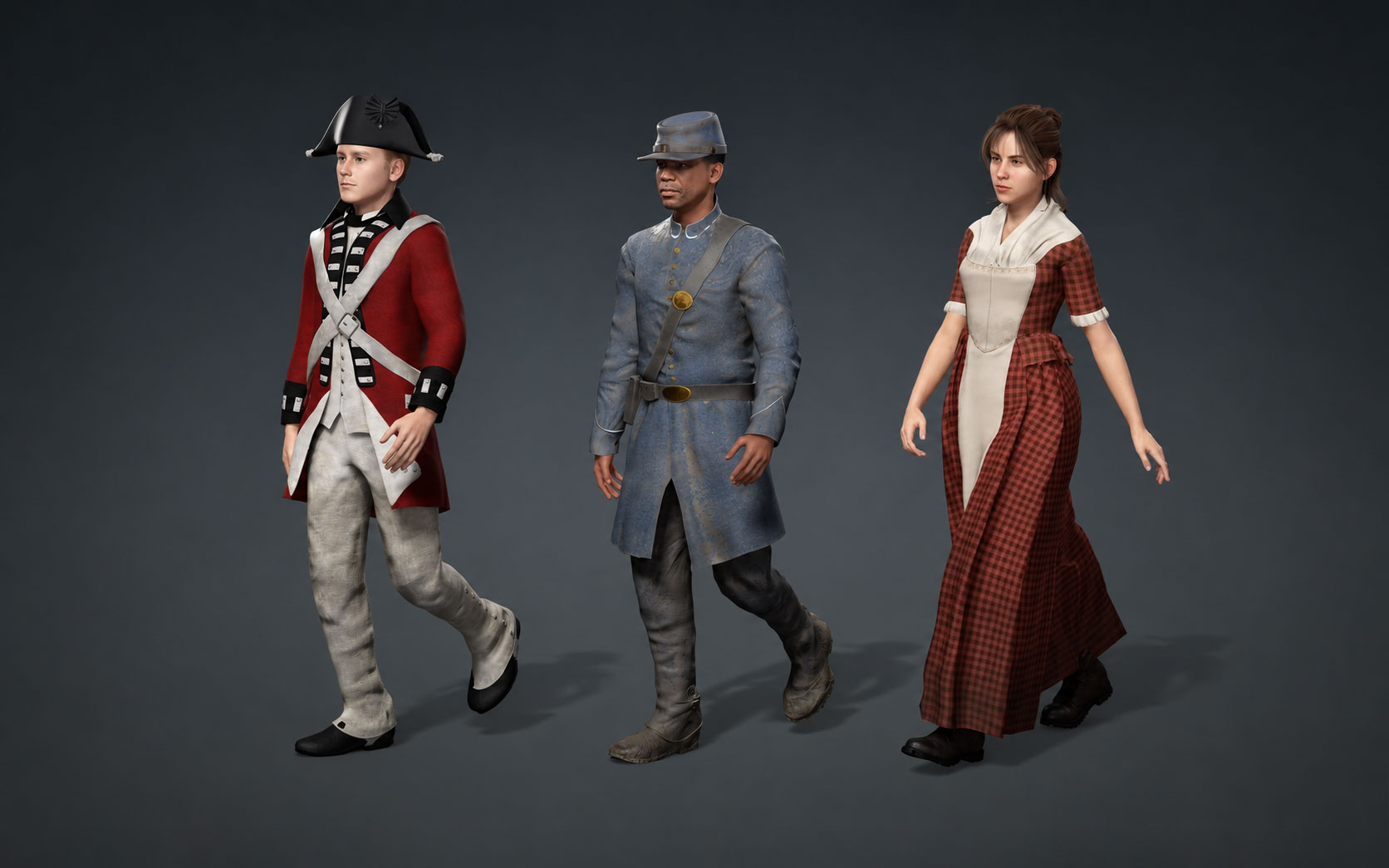
Characters and virtual avatars
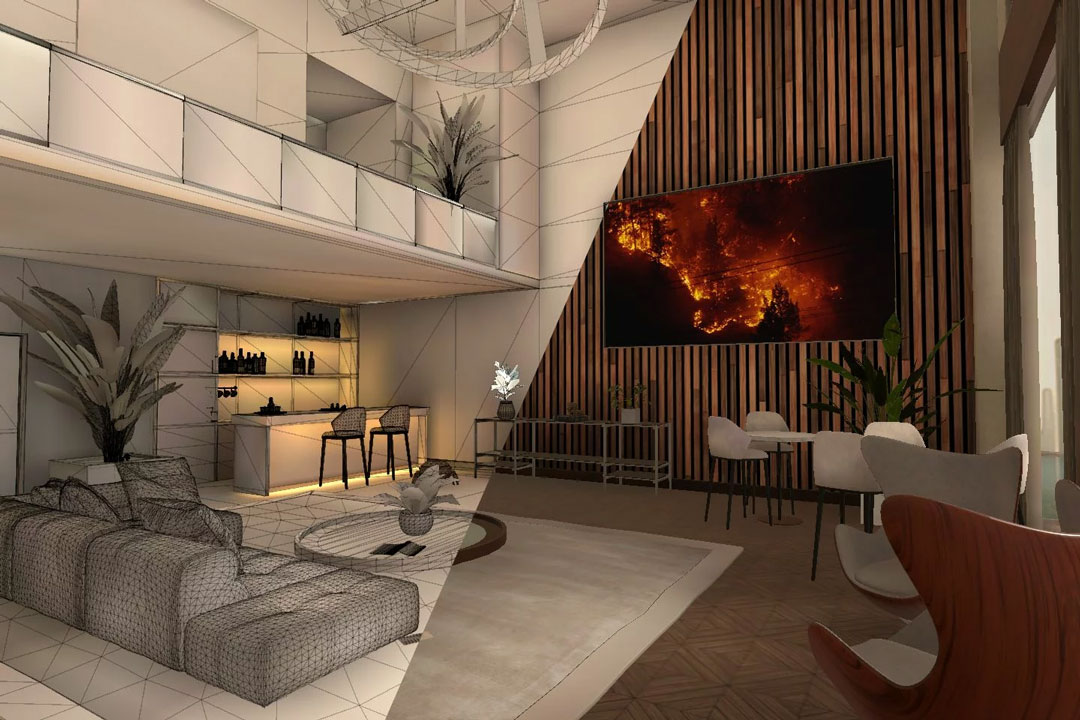
Realtime 3D scenes and environments
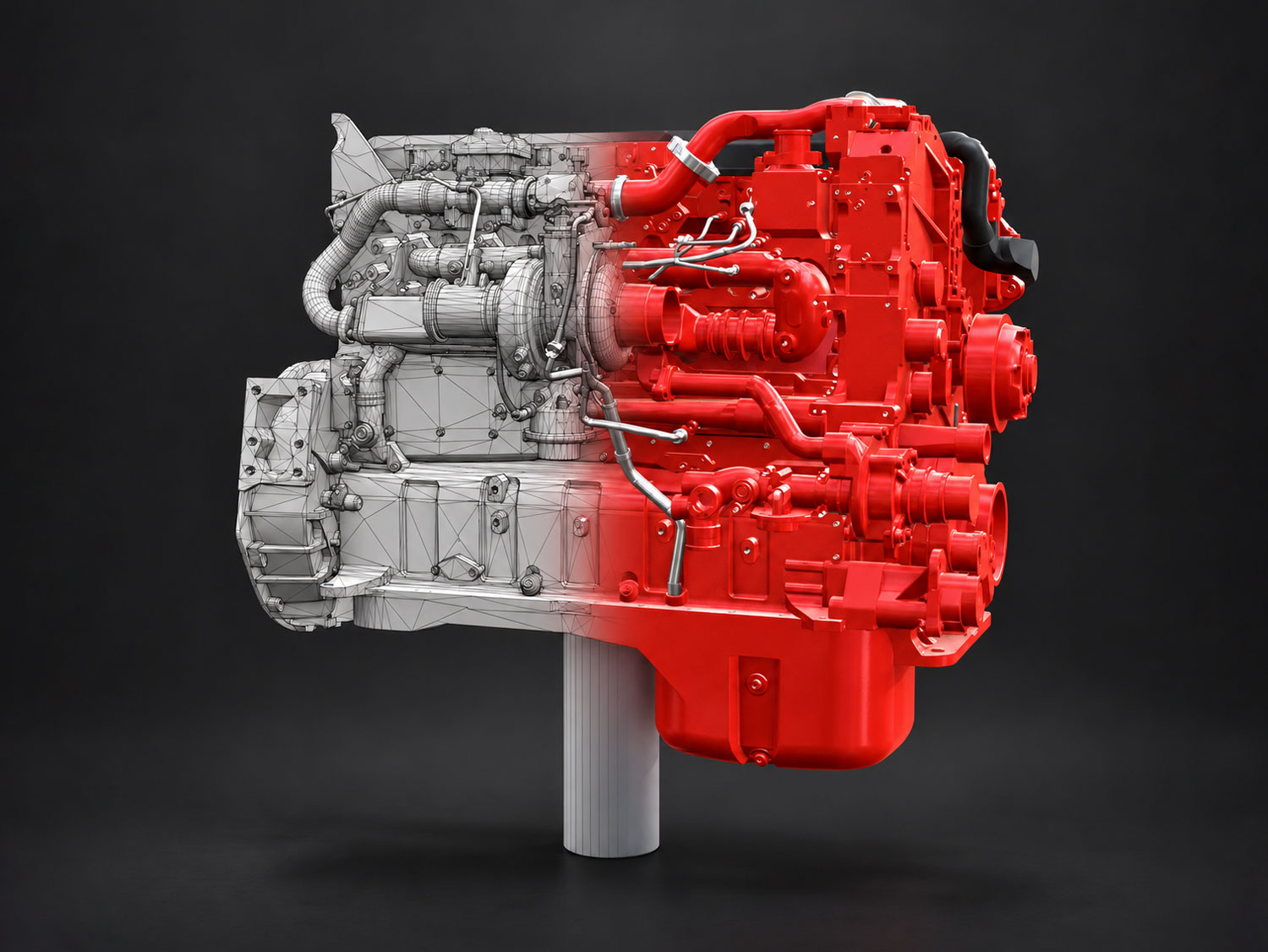
Optimisation for AR and VR
From physical spaces to virtual worlds
3D modelling can transform how people experience places, products, spaces and stories. We create digital representations of real-world environments and objects, as well as entirely virtual spaces built from concept and imagination.
Recreating environments allows us to capture moments in time – whether present day or past. Our architectural modelling expertise can be used to recreate buildings, interiors and wider environments as interactive 3D assets. These models can form the basis of digital twins, virtual tours, simulations, AR experiences and immersive VR environments, opening doors for users to explore otherwise inaccessible locations – whether restricted, geographically distant, or lost in time.
We can also build virtual environments from the ground up – combining 3D modelling, texturing, lighting and realtime development to create spaces that audiences can explore and interact with. We create custom materials from scratch where a specific look or finish is required, to ensure the essence of a scene is captured as authentically as possible.
We also create characters and avatars for immersive experiences, from realistic virtual people to stylised digital characters. Whether an avatar is guiding users through a training experience or forming part of an interactive virtual world, these digital characters help make virtual environments feel more immediate and engaging.
Balancing 3D detail and performance
A highly detailed model isn’t necessarily the right model for an interactive experience. For AR and VR, 3D assets need to balance visual quality with performance.
We optimise our 3D models for their intended platform and use case, reducing complexity where needed whilst retaining the details that matter. We also work with existing assets, including 3D scans and CAD models, preparing them to perform efficiently within interactive experiences.
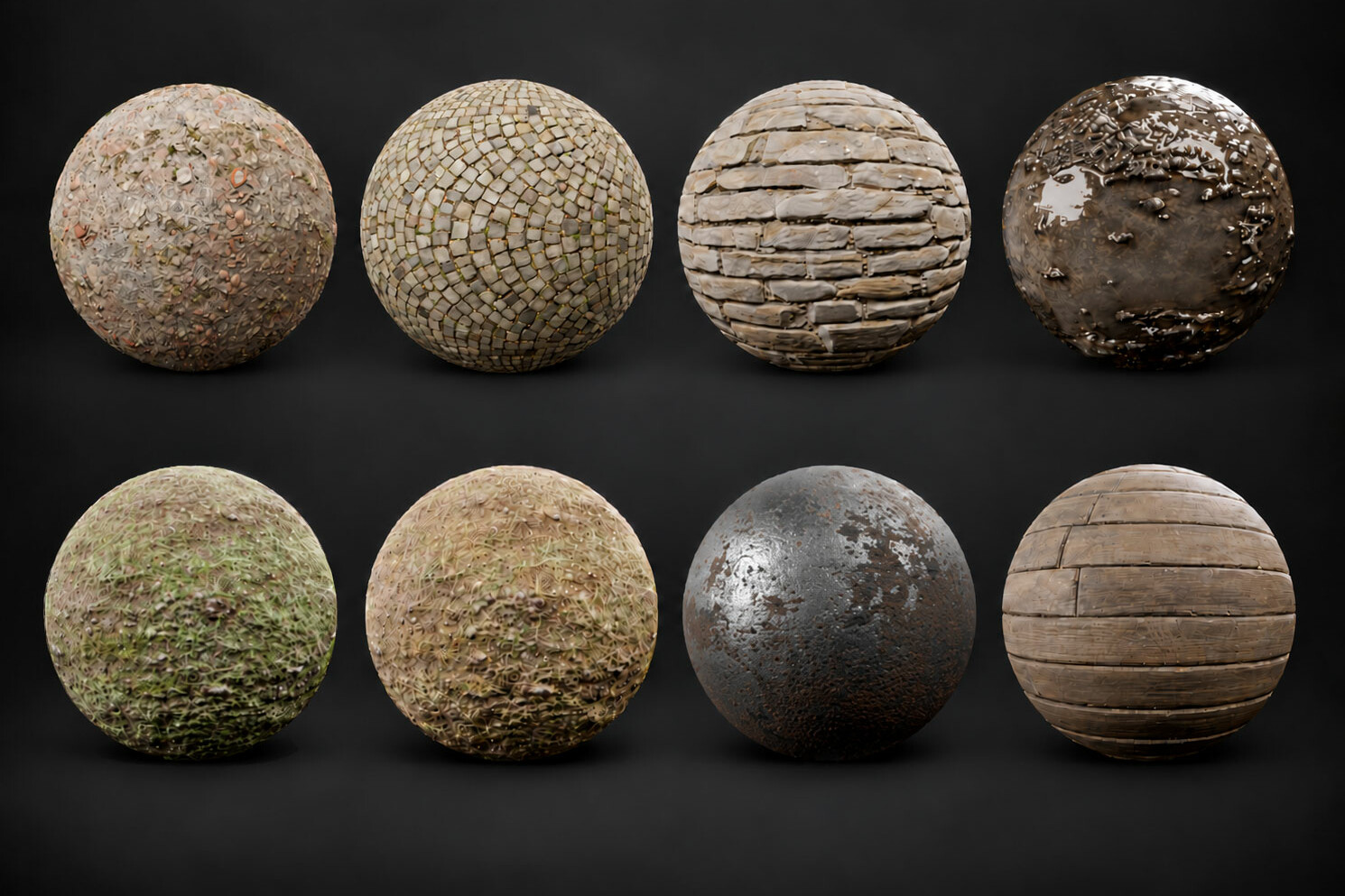
Realistic texturing
We utilise a photoscanned texture library to achieve realistic surface detail, reducing the performance cost of the model whilst increasing the detail.
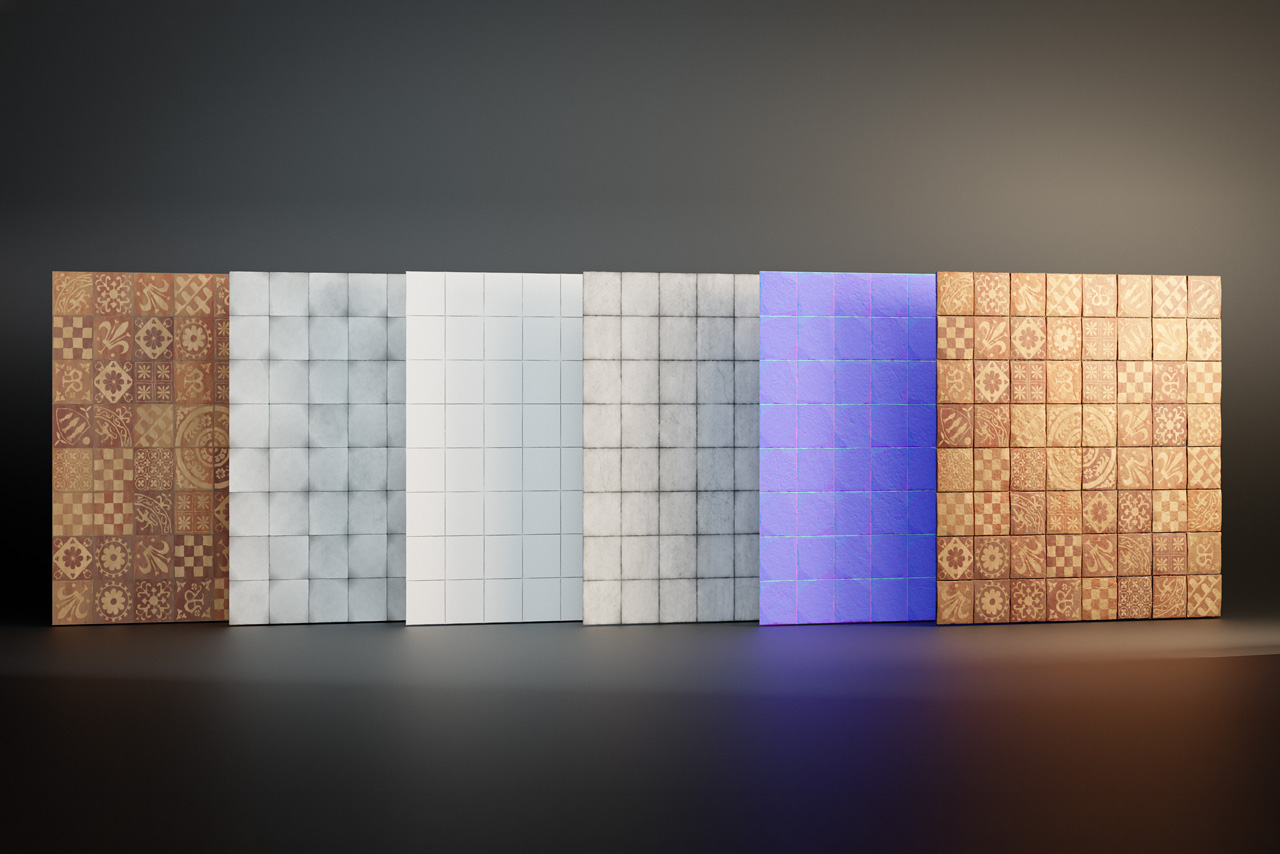
Physically Based Rendering (PBR)
We follow a PBR workflow that simulates how light interacts with real-world surfaces to push the quality even further.
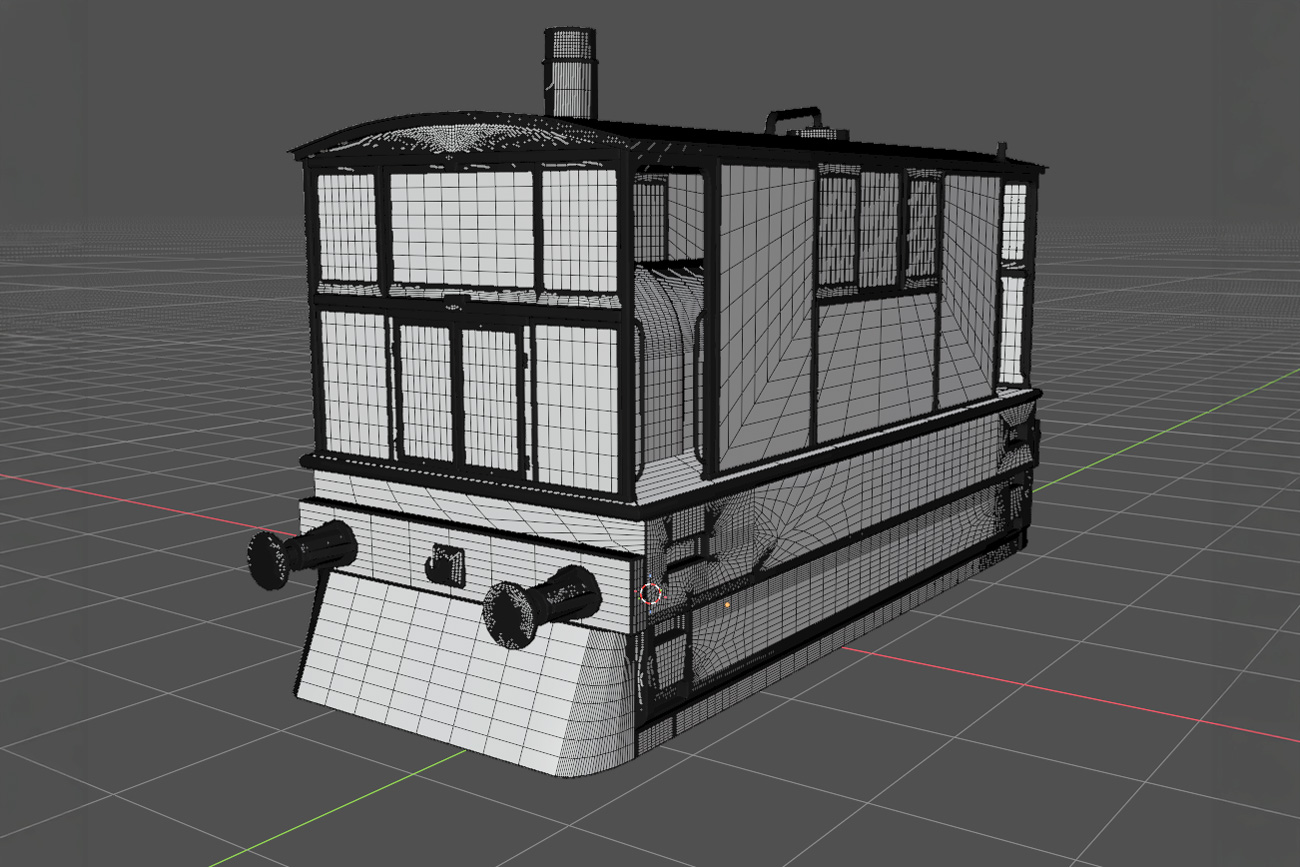
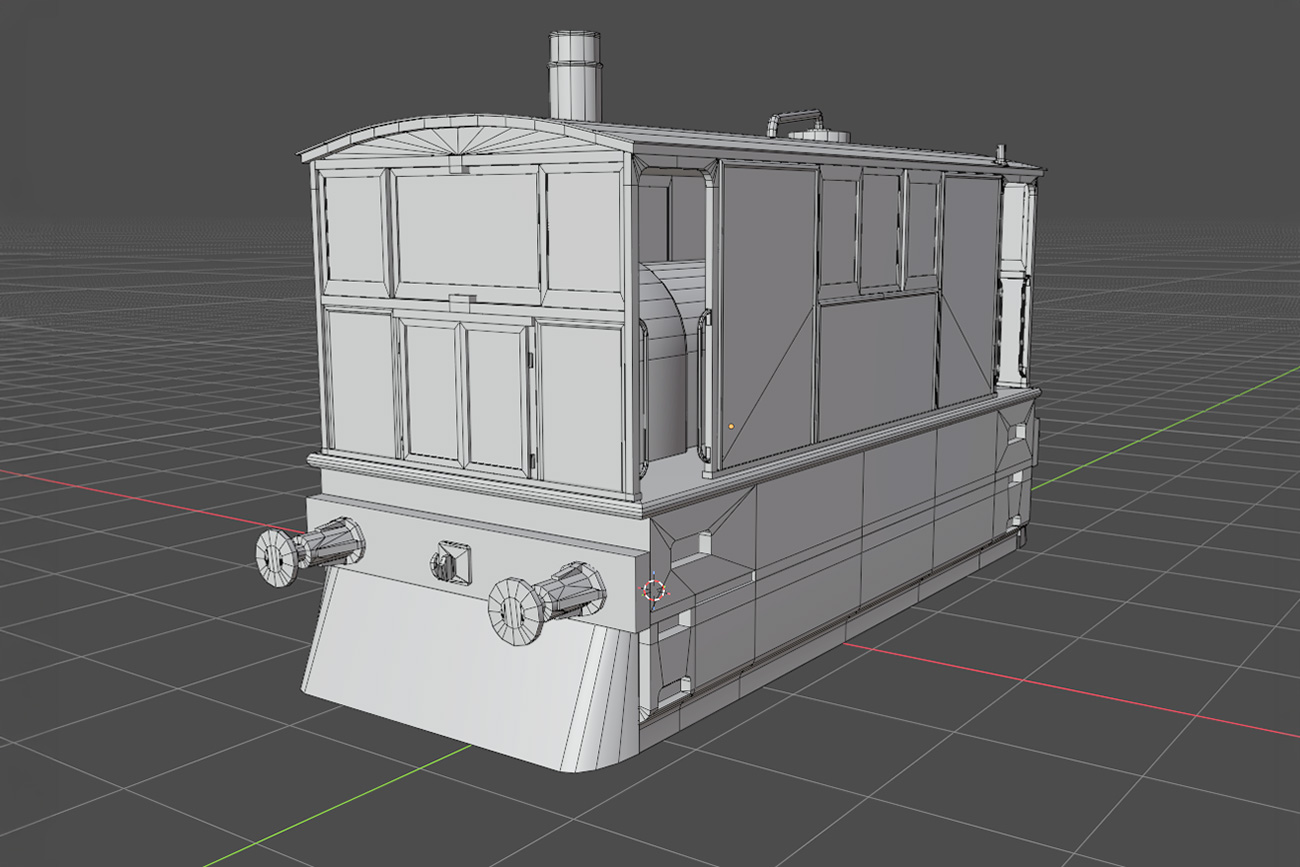
High-to-low poly baking
We transfer surface details from a dense high-poly model onto an optimized low-poly mesh - retaining all the detail minus the performance cost.
Zubr’s experience in realtime 3D development using Unity and WebGL allows us to take 3D assets beyond static visualisation, turning them into responsive, interactive experiences that run smoothly across headsets, mobile devices, browsers and beyond – without compromising on the details that bring an experience to life.
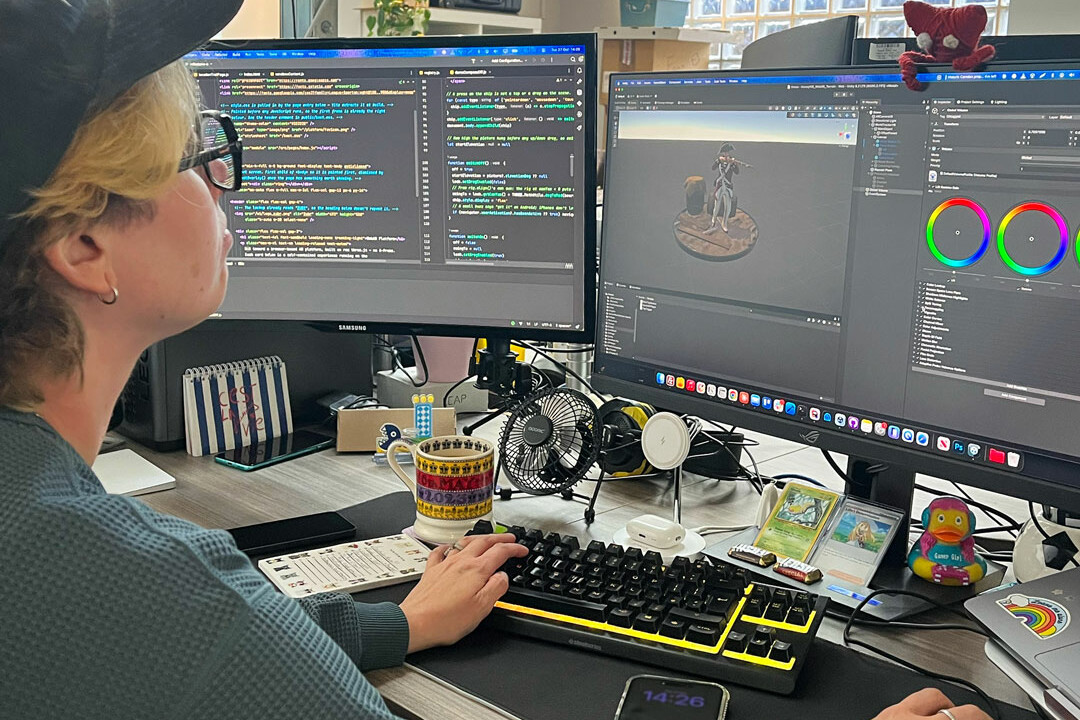
Designed for deployment across platforms
Realtime 3D experiences
Pre-rendered content
Virtual Reality
3D AR for web and apps
We create 3D models with the full range of potential applications in mind. From pre-rendered content and desktop VR to WebAR and realtime 3D experiences, we consider how each asset will be deployed from the outset, ensuring it’s built to meet the technical requirements of its intended platforms.
Rather than creating assets for a single use, we take a platform-first approach that helps you get more value from every model. With the right optimisation and preparation, the same core assets can be adapted for different platforms and experiences, from high-fidelity visualisations to interactive content on mobile devices and in web browsers.
This means you can reuse and repurpose 3D content across campaigns, applications and experiences, extending its lifespan and reducing the need to start from scratch for every new project. We balance visual quality with performance, preserving as much detail and quality as possible while ensuring each version is suited to its deployment environment.
By planning for reuse from the beginning, we help you build a versatile library of 3D content that can evolve alongside your projects and deliver value long after its initial deployment.
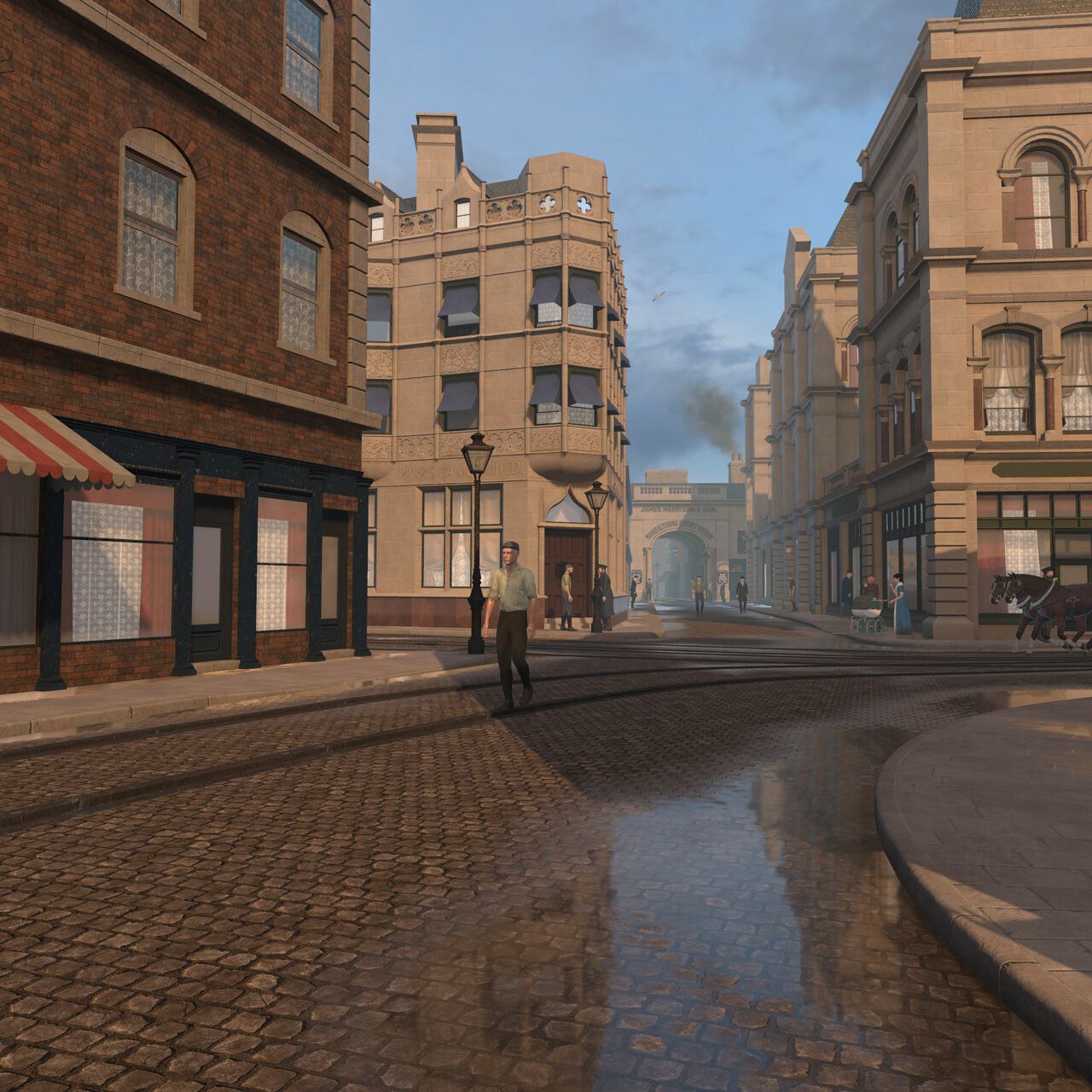


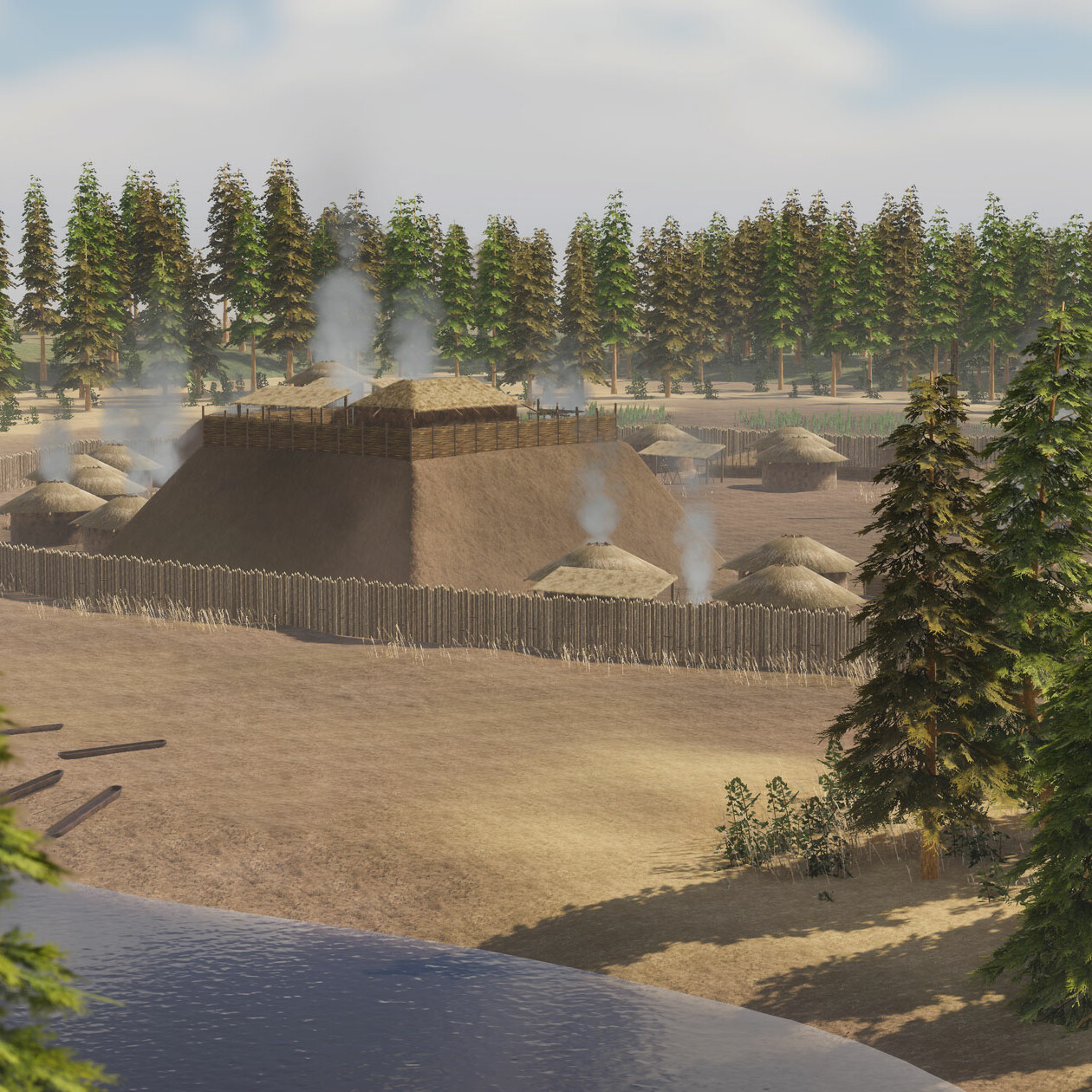



3D modelling work
A deep dive into the 3D-heavy projects within the Zubr archive. Whether it’s architectural visualisation or character-driven narratives, this list represents our best-in-class approach to 3D asset creation and world-building.
Your ideas, our 3D expertise
From a single optimised model to an entire interactive environment, we can help you decide what needs to be built, how it should work and where it can be deployed.
Whether you’re starting with an existing 3D asset or building something from scratch, we can help turn your ideas into interactive 3D.
Talk to us about your project and discover what’s possible.

FAQs
3D modelling is the process of creating digital representations of objects, buildings, environments and characters. These models can be used in a wide range of applications, from architectural visualisation and digital twins to augmented reality, virtual reality, training simulations and interactive experiences.
Yes. We create 3D models of existing buildings, interiors and wider environments, as well as reconstructions of historical places that may have changed or no longer exist. Depending on the project, we can work from architectural plans, photographs, 3D scans, historical records and other reference materials to develop an appropriate digital representation.
Yes. We can work with existing 3D assets, including CAD models and 3D scans, preparing them for use in interactive applications. This may involve optimisation to meet the requirements of the intended platform.
3D model optimisation involves preparing digital assets to run efficiently within their intended application. This can include reducing geometric complexity, optimising textures and baking surface details from high-resolution models onto simpler meshes. The aim is to maintain visual quality while improving performance, loading times and compatibility across devices.
A 3D model is a digital representation of an object, building or environment. A digital twin is a virtual model that incorporates data, live updates or interactive functionality to reflect the condition or behaviour of a real-world counterpart.
Yes. We can develop virtual environments from an initial concept, combining 3D modelling, texturing, lighting and realtime development to create spaces that users can explore and interact with. These can range from realistic recreations of physical locations to entirely fictional environments designed around a particular experience.
Yes. We create digital characters and avatars for interactive experiences, including virtual guides, training simulations and immersive environments. Depending on the project, these can range from realistic virtual people to stylised characters, with the level of detail and functionality tailored to the intended application.
We use a combination of 3D modelling, texturing and optimisation techniques, alongside realtime development technologies such as Unity and WebGL. The tools and workflows we use depend on the project.